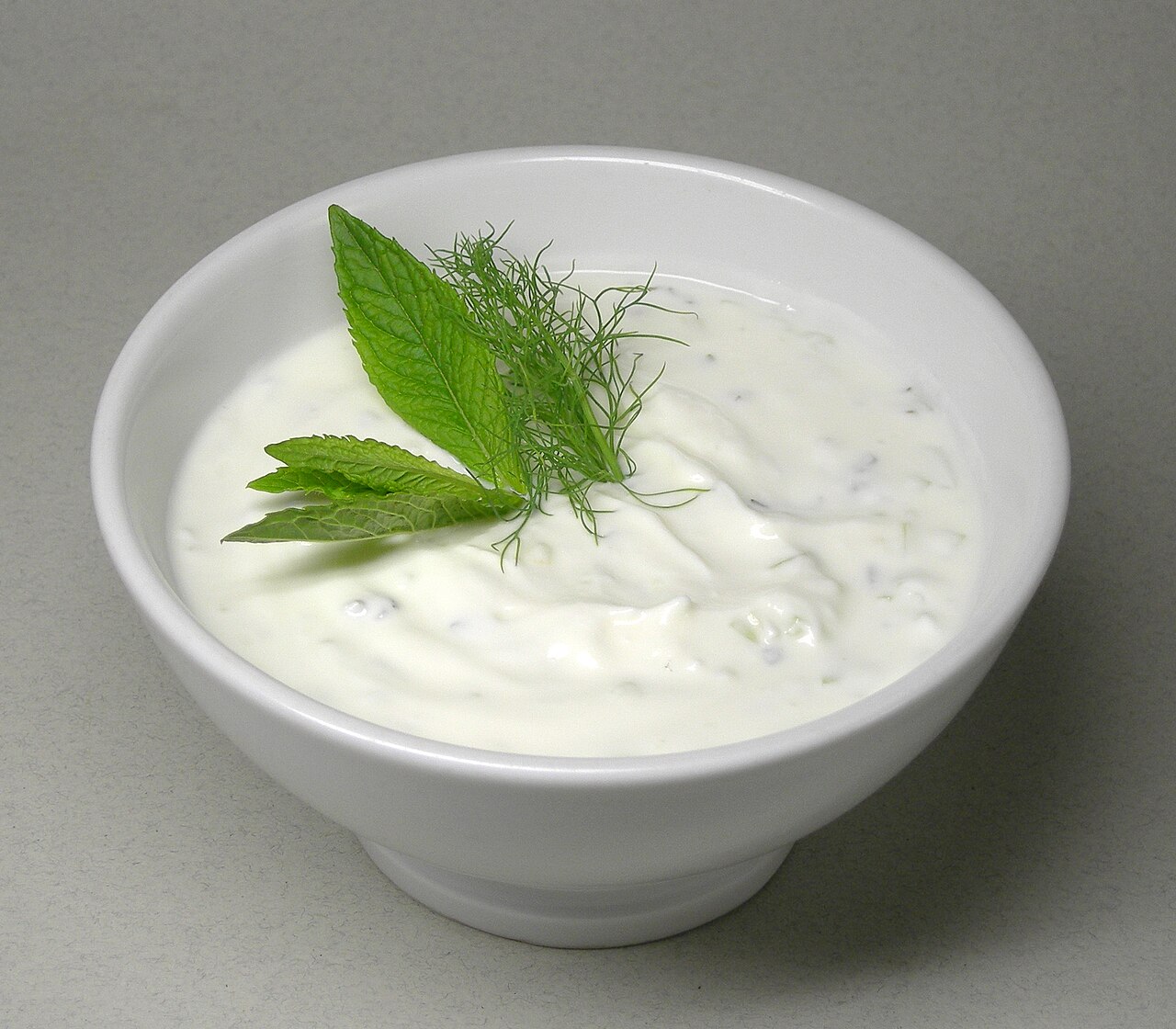
The Undeniable Allure of Authentic Greek Tzatziki
There are few culinary delights as globally cherished and instantly recognizable as tzatziki. This creamy, cool, and garlicky concoction has transcended borders, gracing tables from bustling Greek tavernas to backyard barbecues around the world. Often hailed as "gyro sauce" or the perfect companion to recreate authentic Greek taverna experiences, authentic greek tzatziki sauce is much more than just a dip; it's a refreshing embrace of Mediterranean flavors.
While many variations exist, and delicious as they may be, a question often arises for those seeking genuine Greek culinary experiences: Why do many recipes outside of Greece call for dill or mint, yet traditional Greek versions almost exclusively omit these herbs? The answer lies in the very heart of Greek culinary philosophy: simplicity, balance, and the unadulterated celebration of core ingredients.
The Core Essence of Authentic Greek Tzatziki
At its heart, authentic greek tzatziki sauce is a masterpiece of harmony. It delivers a vibrant punch of flavor that is at once tangy, savory, and wonderfully refreshing. The magic happens when a few humble ingredients are brought together with precision and respect for their individual characteristics. The foundation is always a triumvirate of robust flavor and texture:
- Extra Creamy Thick Yogurt: Specifically, strained Greek yogurt, prized for its density and tangy profile, forms the luxurious base.
- Fresh Cucumber: Providing a delightful crunch and a cool, watery counterpoint to the richness.
- Potent Garlic: The undisputed star, delivering that characteristic aromatic bite that defines a truly great tzatziki.
But it's not just about these three. A drizzle of high-quality extra virgin olive oil adds a silken richness, while a splash of vinegar (or sometimes lemon juice, as we'll explore) provides a bright, acidic lift that cuts through the creaminess and enhances the overall zest. The resulting taste is a complex interplay: the sour creaminess of the yogurt, the crisp coolness of the cucumber, the pungent warmth of the garlic, and a light background acidity that leaves a lingering freshness on the palate.
A Culinary Canvas: Where Tzatziki Shines
The versatility of greek tzatziki sauce is a testament to its perfectly balanced profile. It's a culinary chameleon, elevating a myriad of dishes and making every meal feel like a Mediterranean escape. Its cool and light texture makes it particularly popular during the warmer summer months, but its appeal is year-round.
Consider its iconic pairings:
- Souvlaki and Gyros: This is arguably where tzatziki earns its most famous moniker. Whether it's succulent chicken, tender lamb, flavorful pork, or rich beef souvlaki, a generous dollop of tzatziki is non-negotiable for that authentic taste experience.
- Grilled Meats: Beyond souvlaki, any grilled meat, from simple chops to elaborate roasts, benefits from tzatziki's cooling contrast.
- Meze Platters: As a cornerstone of a traditional Greek meze spread, tzatziki proudly sits alongside other dips and appetizers like hummus, taramasalata (fish roe dip), melitzanosalata (aubergine dip), tirokafteri (spicy feta dip), fava (yellow split pea puree), and various meatballs. It acts as a refreshing palate cleanser amidst bolder flavors.
- Simple Pleasures: Sometimes, the best way to enjoy it is purely by itself, with warm crusty bread or fluffy pita bread, allowing its unadulterated flavor to take center stage.
Beyond these traditional applications, don't hesitate to get creative. Use it as a vibrant spread in sandwiches, a creamy dressing for salads, a dip for fresh vegetables or pita chips, or even a flavorful accompaniment to fish and chips. Its adaptability is truly remarkable, promising to master the perfect greek tzatziki in minutes and elevate everyday meals.
The Great Herb Debate: Why No Dill or Mint in Authentic Greek Tzatziki?
This is where the distinction between broadly adopted "Mediterranean-style" dips and true authentic greek tzatziki sauce becomes most apparent. Many recipes found outside of Greece, particularly in Western adaptations, frequently include chopped dill or mint. While these herbs are certainly delicious and integral to many other culinary traditions, they are conspicuously absent from the vast majority of traditional Greek tzatziki preparations. Why this deliberate omission?
The reasoning is rooted in a deep respect for the established flavor profile and the belief that the core ingredients should shine, unmasked. In Greek culinary tradition:
- Flavor Integrity: The combination of creamy yogurt, fresh cucumber, and pungent garlic is considered complete and perfectly balanced. Adding strong aromatic herbs like dill or mint, while appealing in other contexts, would fundamentally alter this delicate equilibrium. They are perceived as competing with, rather than complementing, the distinct garlic and tangy yogurt notes.
- Garlic Takes Center Stage: For Greeks, a truly great tzatziki is all about the garlic. It's meant to be robust and noticeable. Introducing dill or mint, with their equally strong and unique profiles, would inevitably dilute or even overshadow the garlic's characteristic punch. The Greek approach celebrates garlic as a dominant flavor, not a subtle background note.
- Cultural Expectation: Simply put, Greeks expect their tzatziki to taste a certain way, a way that has been passed down through generations. This established taste profile does not typically include dill or mint. It's a matter of cultural authenticity and expectation.
It's important to note the exception: in Cyprus, a close culinary cousin to Greece, a similar dip called Talatouri is indeed made with fresh or dried mint, and often lemon juice instead of vinegar. This regional variation beautifully illustrates the specific distinction of *Greek* tzatziki, reinforcing that while mint has its place in Cypriot cuisine, it steps aside for the classic garlic-forward profile in mainland Greek and island traditions.
Mastering the Art: Secrets to Perfect Greek Tzatziki
While the list of ingredients for authentic greek tzatziki sauce is delightfully simple, achieving that perfect, taverna-quality texture and flavor requires attention to detail. These aren't just steps; they're critical nuances that elevate a good tzatziki to an unforgettable one.
Ingredient Deep Dive & Tips:
- The Garlic's Grand Entrance:
- Preparation is Key: Minced or grated garlic is essential. If you chop it coarsely, even finely, you risk unpleasant lumps and uneven flavor distribution. Use a microplane or the finest side of your grater to transform cloves into a smooth paste.
- Embrace the Potency: Don't be shy! A great tzatziki is defined by its garlic presence. As the saying goes, if you're not afraid of the smell, use a little extra. Your tastebuds will thank you.
- Yogurt – The Creamy Canvas:
- Strained Greek Yogurt is a Must: This isn't just a suggestion; it's a foundational requirement. Strained Greek yogurt is naturally thicker, smoother, and creamier than regular yogurt, ensuring your tzatziki has the right luxurious consistency without being watery.
- Keep it Cold: Use yogurt straight from the fridge. The cold temperature helps maintain its texture and contributes to the refreshing quality of the dip.
- Cucumber – The Crucial Crunch:
- Seed Selection: Opt for seedless cucumbers (like English or Persian varieties) if possible. If using seeded cucumbers, make sure to scoop out the seeds, as they contain too much moisture and can contribute an undesirable texture.
- Grating Technique: Use the large holes of your box grater to create pleasant strands of cucumber.
- The Draining Imperative (Most Important Step!): This cannot be stressed enough. Cucumber is primarily water. After grating, you *must* squeeze out as much moisture as humanly possible. Place the grated cucumber in a fine-mesh sieve, cheesecloth, or even a few layers of paper towels, and press firmly. Excess water will make your tzatziki thin, watery, and dilute its flavor. The more water you remove, the creamier and more concentrated your tzatziki will be.
- Olive Oil & Vinegar – The Finishing Touches:
- Quality Matters: A good quality extra virgin olive oil not only adds richness but also a subtle fruity note that rounds out the flavors.
- Acidity for Balance: Vinegar (typically white wine or red wine vinegar) provides that critical background acidity, enhancing the tang of the yogurt and brightening the overall profile. Taste and adjust to your preference.
A Quick Recap of Key Differences for Authentic Greek Tzatziki Sauce:
- No Dill or Mint: This is the hallmark. The authentic Greek version focuses on the pristine combination of yogurt, cucumber, and garlic.
- Strained Greek Yogurt: Essential for a thick, creamy, non-watery texture.
- Aggressively Drained Cucumber: The single most impactful step for texture and flavor concentration.
- Potent Garlic Presence: Garlic is meant to be a star, not a whisper.
Experience the Authentic Greek Difference
Armed with these insights, you are now ready to embark on your own journey to create truly authentic greek tzatziki sauce. It’s a process that celebrates simplicity and highlights the quality of each ingredient. The result is a vibrant, refreshing, and deeply satisfying dip that embodies the spirit of Greek cuisine. Forget the store-bought versions or the herb-laden imitations; the true joy comes from experiencing the pure, unadulterated flavors of this Greek classic.
The beauty of authentic greek tzatziki sauce lies in its straightforward nature, proving that culinary greatness doesn't always require a long list of exotic ingredients. By understanding and respecting the traditional methods—especially the deliberate exclusion of dill and mint—you unlock a world of flavor that transports you straight to the sun-drenched tavernas of Greece. So go ahead, prepare your ingredients with care, follow these essential tips, and savor the genuine taste of this timeless Greek treasure. Your tastebuds, and your guests, will undoubtedly thank you for it.
