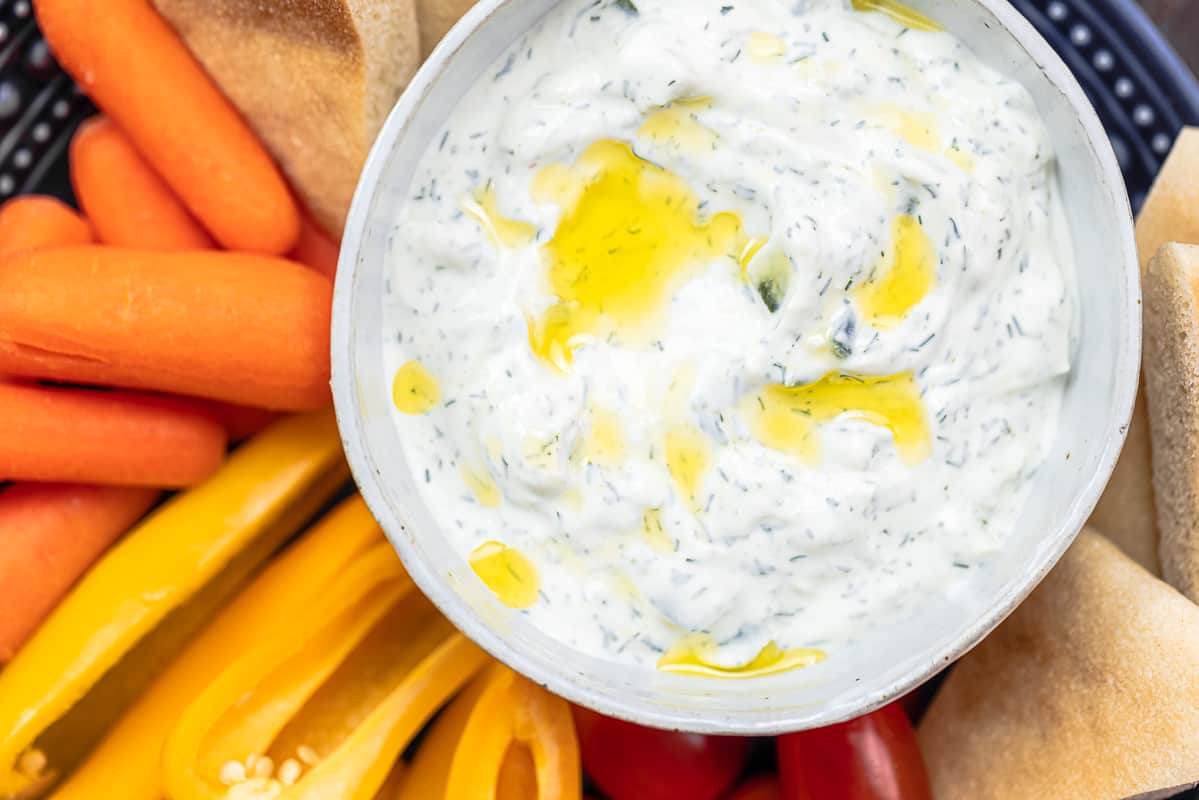
Recreate Authentic Greek Tzatziki: Taverna Secrets Revealed
The mere mention of greek tzatziki sauce conjures images of sun-drenched tavernas, vibrant meze platters, and succulent grilled meats. This iconic, creamy, and irresistibly refreshing dip is a cornerstone of Greek cuisine, beloved worldwide for its unique blend of cool cucumber, pungent garlic, and tangy yogurt. While many versions exist, achieving the true, authentic taste you’d find in the best Greek eateries requires a few crucial insights and a deep appreciation for quality ingredients. Forget bland imitations; this article will unlock the secrets to crafting a greek tzatziki sauce that transports your taste buds straight to the Aegean.
Often known affectionately as "gyro sauce," tzatziki is much more than just an accompaniment for stuffed pita bread. Its versatility knows no bounds, making it an indispensable part of any Greek-inspired meal. From balancing the richness of lamb souvlaki to providing a zesty counterpoint to a traditional Greek salad, the authentic greek tzatziki sauce is a culinary marvel that is surprisingly simple to make, provided you pay attention to the details.
The Undeniable Allure of Authentic Greek Tzatziki Sauce
What makes authentic greek tzatziki sauce so captivating? It’s a symphony of contrasts: cool and refreshing, yet bright and pungent; creamy and light, yet boasting a satisfying crunchy bite from the cucumber. Its foundation lies in its pure, clean flavors, designed to complement rather than overpower the dishes it accompanies. You'll taste the subtle acidity from the vinegar, the robust kick of fresh garlic, and the milky richness of the yogurt, all harmonizing with the crispness of cucumber.
This incredibly versatile dip serves a multitude of purposes in Greek culinary tradition. It's the ideal partner for a variety of grilled meats, including chicken, pork, beef, and lamb souvlaki, cutting through their savory richness with its refreshing zest. Beyond the beloved gyro, it elevates simple grilled fish, adds a fresh dimension to roasted vegetables, and can even be a delightful dip for fries or pita chips.
Furthermore, greek tzatziki sauce is a star player on any traditional meze platter. Imagine it alongside other Greek delights such as creamy hummus, smoky melitzanosalata (aubergine dip), spicy tirokafteri (feta cheese dip), or the earthy fava (yellow split peas puree). It offers a refreshing palate cleanser amidst these richer flavors, ensuring every bite is as enjoyable as the last. And, of course, there's nothing quite like enjoying a generous dollop of authentic tzatziki on its own, scooped up with warm, crusty bread or soft pita.
Unveiling the Core Ingredients: The Foundation of Perfect Tzatziki
The beauty of authentic greek tzatziki sauce lies in its simplicity, relying on just a handful of high-quality ingredients. However, the selection and preparation of each component are absolutely critical to achieving that coveted taverna taste and texture.
1. The Mighty Greek Yogurt
The cornerstone of any great tzatziki is, without a doubt, the yogurt. For an authentic greek tzatziki sauce, strained Greek yogurt is non-negotiable. This isn't merely a suggestion; it's a fundamental requirement. Strained yogurt is significantly thicker and creamier than regular yogurt, ensuring your tzatziki has a luxurious, smooth consistency that won't become watery. Always use full-fat, plain Greek yogurt, and ideally, ensure it's straight from the fridge and perfectly cold when you begin mixing.
2. The Crisp Cucumber Conundrum
Cucumber provides the essential refreshing element and a crucial textural component. Here's where many home cooks falter:
- Seedless is Best: If possible, opt for a seedless cucumber variety like English or Persian.
- Deseed if Necessary: If using a seeded cucumber, meticulously scoop out the seeds. The seeds contain too much moisture and have an undesirable texture, which can make your greek tzatziki sauce watery and less appealing.
- Grate, Don't Chop: Use the large holes of a box grater to shred the cucumber. This provides the perfect texture – finely enough to integrate, but chunky enough to add a pleasant crunch.
- The Golden Rule: Drain, Drain, Drain! This is perhaps the most critical step for perfect texture. After grating, place the cucumber pulp in a fine-mesh sieve or a clean kitchen towel. Sprinkle lightly with a pinch of salt (this helps draw out moisture), then let it sit for 10-15 minutes. Afterward, squeeze out as much liquid as humanly possible. You'll be surprised by how much water comes out! The drier your cucumber, the thicker and more authentic your tzatziki will be. This step prevents your greek tzatziki sauce from becoming a thin, watery mess.
3. The Pungent Power of Garlic
If there's one ingredient that defines greek tzatziki sauce, it's fresh garlic. This is not the time to be shy! A truly authentic tzatziki embraces a generous amount of garlic. As the saying goes, "A great Tzatziki sauce is all about the garlic." Your taste buds will thank you for being bold.
- Mince or Grate, Never Chop: Just like with cucumber, the preparation method for garlic is vital. Mince it incredibly finely or, even better, grate it using a microplane or the smallest holes on your grater. Chopping garlic, even finely, can leave you with unpleasant, lumpy pieces that deliver an overpowering raw garlic bite. A smooth, integrated garlic flavor is what you're after.
4. The Balancing Act: Olive Oil and Vinegar
These two ingredients contribute to the subtle complexity and tang of greek tzatziki sauce. A drizzle of high-quality extra virgin olive oil adds a touch of richness and fruitiness, while a splash of white wine vinegar or even a mild red wine vinegar provides that essential light background acidity. The vinegar helps to cut through the richness of the yogurt and complements the garlic beautifully, elevating the overall flavor profile without dominating it.
The "Secret" Ingredients and What to Avoid for Authenticity
When it comes to authentic greek tzatziki sauce, what's *not* in it is almost as important as what is. Many recipes found outside Greece deviate significantly from tradition by incorporating certain herbs. Authentic Greek Tzatziki: Why No Dill or Mint?
Dill and Mint: A Common Misconception
Perhaps the biggest myth surrounding tzatziki is the inclusion of dill or mint. While these herbs are delightful in many Mediterranean dishes, for a truly authentic Greek tzatziki, they are rarely, if ever, used. The traditional Greek recipe focuses on the pure interplay of cucumber, garlic, and yogurt, allowing those core flavors to shine unadulterated. Adding dill or mint, while creating a tasty dip, would instantly transform it into something other than classic Greek tzatziki, leaning more towards other regional variations. For instance, in Cyprus, a similar dip called Talatouri does traditionally incorporate fresh or dry mint along with lemon juice instead of vinegar, highlighting a distinct regional difference.
Vinegar vs. Lemon Juice
As mentioned, authentic Greek tzatziki typically relies on vinegar for its acidity. Lemon juice, while commonly used in other Mediterranean and Middle Eastern dips, imparts a different kind of brightness. Sticking to vinegar ensures that classic, slightly sour tang that is characteristic of genuine greek tzatziki sauce.
Mastering the Art: Beyond Just Mixing
While the ingredients are few, the devil is in the details of preparation. Achieving the perfect texture and flavor balance requires more than just tossing everything into a bowl. The sequential steps—proper cucumber preparation, precise garlic treatment, and the use of cold, strained yogurt—all contribute to the final masterpiece.
- Combine Mindfully: Once your cucumber is thoroughly drained and your garlic finely minced, gently fold them into the cold Greek yogurt. Add the olive oil, vinegar, and a pinch of salt to taste. Mix until just combined. Overmixing can sometimes compromise the texture.
- Chill for Perfection: Don't rush it. Once mixed, cover your greek tzatziki sauce and refrigerate it for at least 30 minutes, or ideally, a few hours. This chilling time allows the flavors to meld and deepen, resulting in a more harmonious and complex dip. The garlic will mellow slightly while its essence infuses the yogurt and cucumber.
With these insights, you're now equipped to embark on your culinary journey. If you're looking for a quick yet flawless execution, check out our guide on Master Perfect Greek Tzatziki: 10-Minute Recipe & Pro Tips.
Conclusion
Recreating authentic greek tzatziki sauce at home is a rewarding experience that brings a true taste of Greece to your table. It’s a testament to how simple ingredients, when treated with care and respect for tradition, can yield extraordinary results. By prioritizing thick strained Greek yogurt, meticulously draining your grated cucumber, generously using fresh, finely prepared garlic, and understanding the traditional absence of dill or mint, you are well on your way to mastering this beloved dip. So, gather your ingredients, follow these taverna secrets, and prepare to delight your senses with a truly genuine Greek culinary treasure.
